
Laser welding has moved well beyond the research bench. Companies in jewelry, precision molding, metal fabrication, and battery manufacturing are now bringing laser welders into production lines and everyday maintenance work to improve weld quality, cut rework, and keep output moving.
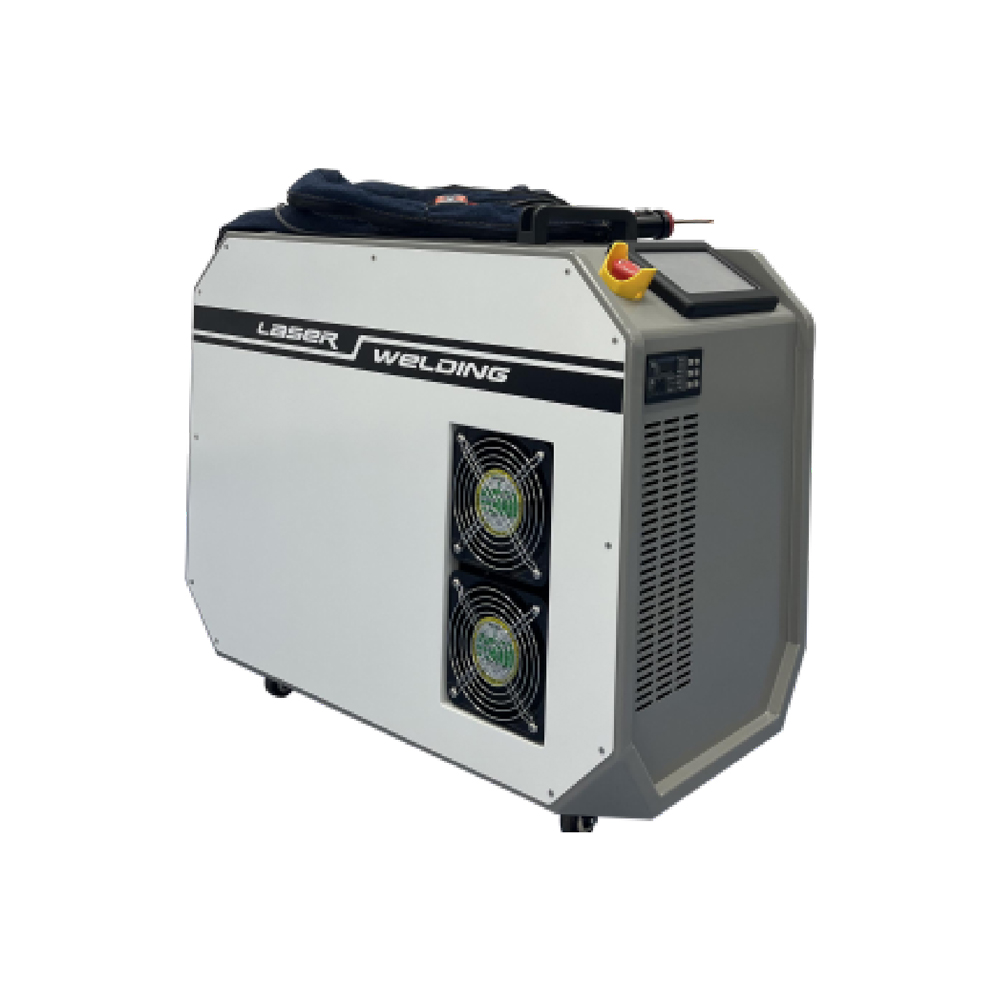
Trend: Shops now prioritize speed, clean seams, and ease of use
Customer feedback shows that the question has shifted from “can it weld?” to “can it weld quickly, look clean, and stay easy for operators?” Handheld laser welders are attracting more attention because they are compact, portable, and well suited to small batches, mixed production, and on-site repair. At the same time, automated workstations and robot-assisted cells are becoming more common as manufacturers replicate proven welding parameters across multiple lines.
Where laser welding machines are used most
| Industry | Typical applications | Common equipment |
|---|---|---|
| Jewelry | Fine repair welding on rings, pendants, and small components | Compact QCW / YAG welding machines |
| Mold making | Repair of scratches, chipped edges, and cavity damage | Mold laser welding machines |
| Metal fabrication | Thin-sheet joining, spot welding, and sealed seams on irregular parts | Handheld laser welders |
| Battery manufacturing | Tab, busbar, and housing welding | Automated cells and robot laser welding |
What to consider when upgrading a production line
- Match laser power to material thickness and joint geometry so the machine fits the job instead of overshooting it.
- Factor in laser cavity life, chiller performance, and optics maintenance when estimating long-term ownership costs.
- Choose machines with parameter storage, repeatable programs, and automation-ready interfaces so future line upgrades stay simple.
- Train operators properly and build a documented welding parameter library to reduce variation across shifts.
As laser sources, fiber delivery, and motion control systems keep improving, laser welding is becoming easier to adopt. The next generation of machines will be lighter, more user-friendly, and simpler to connect with existing workflows, giving facilities of every size a more flexible route to reliable output.